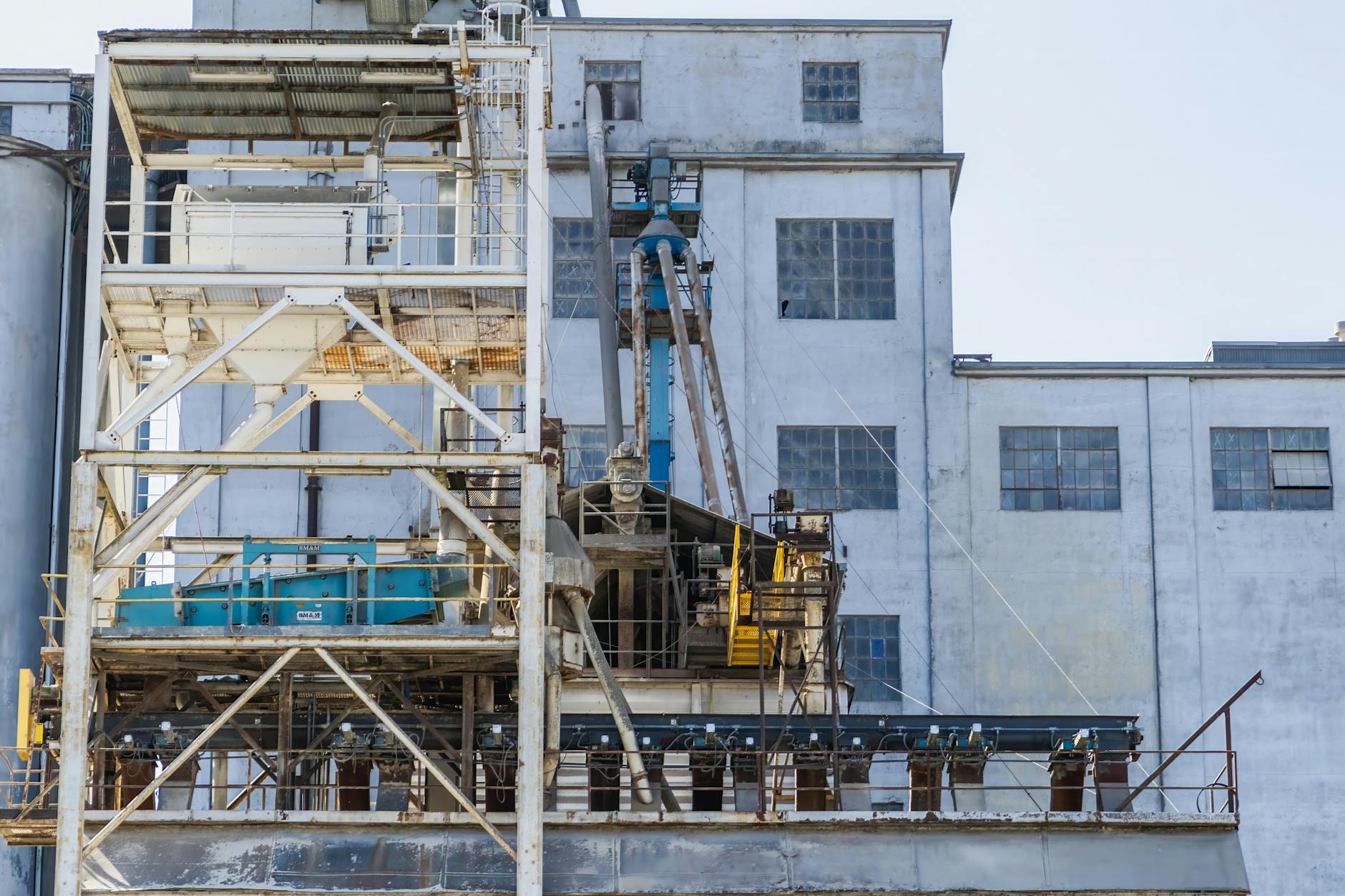
About Packaging Corporation Tomahawk Paper MILL Tomahawk Wisconsin
The Packaging Corporation of America paper and pulp mill in Tomahawk, Wisconsin operated for generations as a major industrial employer in Lincoln County. Like virtually every heavy industrial facility operating through the twentieth century, the Tomahawk mill reportedly relied on asbestos-containing materials throughout its infrastructure — in pipe insulation, boiler systems, steam lines, and process equipment.
If you worked at this facility or spent time there during its peak operating years, you may have been exposed to asbestos fibers that can cause mesothelioma, lung cancer, and asbestosis decades later. Mesothelioma and asbestosis typically take 20 to 50 years to develop after initial exposure. Workers who handled asbestos-containing materials decades ago may only now be receiving diagnoses.
Time is your most critical resource right now. Wisconsin workers diagnosed with mesothelioma have specific legal rights under state law — including the right to file suit in Wisconsin courts and to pursue claims against asbestos bankruptcy trust funds simultaneously. Those are rights an experienced mesothelioma lawyer can help you exercise, but only before the three-year statute of limitations under Wis. Stat. § 893.54 expires.
This deadline runs from the date of your mesothelioma diagnosis, not from the date of your exposure — and it will not be extended because you were unaware of it or because your condition is still developing. This article gives former workers, tradespeople, and family members the facts about alleged asbestos-containing material use at the Tomahawk mill, occupational exposure risks, and the legal remedies available to those diagnosed with asbestos-related disease.
Facility History and Industrial Context in Wisconsin
The Tomahawk Paper Mill sits along the Wisconsin River in Lincoln County, in the heart of Wisconsin’s north-central paper-producing corridor. The facility operated under various ownership structures over the decades, with Packaging Corporation of America (PCA) among the names associated with its operation. The Wisconsin River valley was historically one of the nation’s most concentrated papermaking regions, and the Tomahawk mill was a significant part of that industrial base.
Wisconsin’s paper industry employed thousands of tradespeople connected through a network of union locals — including Boilermakers Local 107, IBEW Local 494, Asbestos Workers Local 19, and Pipefitters Local 601 — who moved between facilities throughout the state. Many workers at the Tomahawk mill may have carried asbestos exposure histories with them from multiple Wisconsin industrial facilities.
Paper and pulp manufacturing runs on steam. Mills in this region required:
- Enormous boiler plants operating at extreme temperatures
- Miles of high-pressure steam piping
- Chemical digesters for wood-to-pulp conversion
- Heavy processing machinery and drying equipment
- Turbines and turbo-generators for on-site power generation
From roughly the 1930s through the late 1970s, all of these systems were routinely insulated and sealed with asbestos-containing materials. The thermal demands of papermaking made insulation operationally essential, and asbestos-containing products were the industry standard for decades.
The facility allegedly underwent numerous expansions, equipment upgrades, and maintenance overhauls during the peak period of asbestos use. Each such project reportedly may have introduced additional asbestos-containing materials onto the property and, critically, may have disturbed previously installed asbestos-containing insulation — releasing respirable fibers into work areas.
Why Manufacturers Used Asbestos-Containing Materials in Wisconsin Paper Mills
Asbestos causes mesothelioma, lung cancer, asbestosis, and other serious diseases. This is established medical and scientific fact. The tragedy of the asbestos epidemic in American industry is that manufacturers knew about these dangers for decades while continuing to market their asbestos-containing products aggressively to industrial buyers throughout Wisconsin and the upper Midwest.
In paper and pulp mills specifically, asbestos-containing materials were favored for four reasons:
- Extreme heat tolerance. Steam systems operated at temperatures that required highly effective thermal insulation. Asbestos pipe lagging and block insulation could withstand temperatures that destroyed organic alternatives.
- Fire resistance. Large papermaking facilities with abundant combustible materials needed fire-resistant insulation around boilers and steam lines.
- Durability. Asbestos-containing materials withstood the moisture, chemical exposure, and vibration common in pulp and paper environments.
- Cost. Through the mid-twentieth century, asbestos-containing products were among the most cost-effective insulation options available.
The same properties that made asbestos-containing products attractive to industrial buyers also made them deadly. When disturbed, cut, applied, or removed, asbestos-containing materials release microscopic fibers that lodge permanently in lung tissue and the pleural lining of the chest — potentially causing mesothelioma decades later.
The Tomahawk mill was not unique among Wisconsin industrial facilities in its alleged reliance on asbestos-containing materials. Major Milwaukee-area facilities including Allen-Bradley on West Greenfield Avenue, Allis-Chalmers in West Allis, Falk Corporation on Canal Street in Milwaukee, and A.O. Smith Corporation on Capitol Drive in Milwaukee were similarly alleged to have incorporated substantial quantities of asbestos-containing materials into their operations.
What Workers at This Facility May Have Encountered
Based on the types of equipment and processes characteristic of paper and pulp mills of this era, and the documented distribution practices of major asbestos product manufacturers throughout Wisconsin and the upper Midwest, workers at the Tomahawk mill may have been exposed to asbestos-containing materials from several major manufacturers.
Corporation
was one of the largest producers and distributors of asbestos-containing insulation materials in North America. Its products were distributed throughout Wisconsin through regional supply chains that served paper mills, power plants, and manufacturing facilities across the state. Workers at the Tomahawk mill may have encountered asbestos-containing materials, including:
- Pipe insulation and covering on steam lines
- Block insulation on boilers and digesters
- Asbestos-containing cement products for pipe fitting and repairs
- Asbestos-containing cloth and tape for joint sealing
is alleged to have known for decades that its asbestos-containing products were dangerous while suppressing that information from workers and customers. subsequently filed for bankruptcy and established the Personal Injury Settlement Trust**, one of the largest asbestos bankruptcy trusts available to Wisconsin claimants today.
If you worked at the Tomahawk mill, a Wisconsin asbestos attorney can evaluate whether you qualify for a trust claim — but only if you file before Wisconsin’s three-year statute of limitations expires.
/
manufactured and distributed asbestos-containing insulation materials marketed under the calcium silicate pipe insulation brand name. Workers at the Tomahawk paper mill may have been exposed to calcium silicate pipe insulation asbestos-containing products, including:
- Pipe insulation on industrial steam systems
- Block insulation on boilers and digesters
- Associated fittings and accessories containing asbestos
calcium silicate pipe insulation products were widely distributed to industrial steam systems across Wisconsin and the upper Midwest throughout the peak period of asbestos use. subsequently established an asbestos bankruptcy trust through which Wisconsin claimants may be eligible to file claims.
Trust assets are finite — Wisconsin workers who delay filing risk reduced payouts as available funds diminish.
produced and broadly distributed asbestos-containing materials for industrial and commercial applications across the Wisconsin market. Workers at the Tomahawk mill may have encountered:
- Asbestos-containing floor tiles
- Ceiling and acoustic tile materials allegedly containing asbestos
- Industrial insulation products on equipment coverings and building systems
subsequently filed for bankruptcy and established a trust fund through which Wisconsin claimants may file claims.
manufactured boilers and associated equipment for industrial facilities throughout the Midwest, including facilities in Wisconsin. Workers at the Tomahawk mill may have been exposed to asbestos-containing materials associated with equipment, including:
- Asbestos-containing boiler insulation
- Asbestos-containing refractory materials on combustion chambers
gaskets and packing
gaskets and packing produced asbestos-containing gaskets, packing materials, and sealing products that were widely distributed to Wisconsin industrial facilities. Workers at facilities of this type may have been exposed to asbestos-containing materials from gaskets and packing when:
- Servicing or replacing valves and flanges sealed with asbestos-containing packing or gasket materials
- Removing old sealing materials during routine maintenance operations
gaskets and packing subsequently filed for bankruptcy and established a trust through which Wisconsin workers and their families may be eligible to file claims.
An experienced mesothelioma lawyer in Wisconsin can evaluate your work history and determine whether a gaskets and packing trust claim is appropriate — but only if you contact one before Wisconsin’s three-year filing deadline has passed.
manufactured industrial valves and associated equipment distributed to Wisconsin paper mills and manufacturing facilities. Workers may have encountered asbestos-containing materials from Crane, including:
- Asbestos-containing valve packing materials
- Asbestos-containing gasket materials on valve assemblies
- Asbestos-containing insulation associated with Crane-manufactured steam equipment
manufactured and distributed spray-applied asbestos-containing insulation products including the brand spray-applied fireproofing, distributed to industrial facilities throughout Wisconsin. Workers at the Tomahawk facility may have been exposed to asbestos-containing spray-applied materials during:
- Initial installation on steam piping, boiler exteriors, and process equipment
- Maintenance and removal work on spray-applied asbestos-containing insulation
- Renovation and repair work disturbing previously installed spray-applied fireproofing or related products
subsequently filed for bankruptcy and established a trust fund available to Wisconsin claimants.
, ceiling tile, and Additional Suppliers
Asbestos-containing materials, ceiling tile, and other regional and national suppliers may have been present at the Tomahawk facility, including:
- Pipe insulation and block insulation materials
- Cement products and bonding compounds
- Building materials and finishing products
- Specialty industrial insulation and refractory products
and ceiling tile each subsequently established asbestos bankruptcy trusts. Wisconsin claimants diagnosed with mesothelioma may be eligible to file claims against multiple trusts simultaneously while also pursuing civil litigation in Wisconsin courts — but only with the assistance of an experienced mesothelioma attorney who understands how to coordinate trust filings with active litigation to maximize total recovery.
General Equipment at Packaging Corporation Tomahawk Paper MILL Tomahawk Wisconsin
The equipment below represents the systems and infrastructure documented or typically present at this facility during the era when asbestos-containing materials were specified in industrial construction. This is general facility-equipment reference — not a legal attribution of any specific product, manufacturer, or exposure event to this facility. Material-category and manufacturer information is addressed in the AsbestosIndex Product Crosswalk linked under the records table below.
Documented Asbestos Evidence — Wisconsin
The records below are verified, state-documented asbestos removals at this facility. Each entry represents a regulated abatement project where the Wisconsin Department of Natural Resources (Wisconsin DNR) was notified under federal NESHAP rules, the work was logged, and the asbestos-containing material was confirmed and removed under regulated conditions. These are not allegations or estimates — they are paper records tying documented asbestos-containing material to this specific site.
No Wisconsin DNR NESHAP abatement notifications have been identified for this facility in current public records. Per the framing above, absence of state-agency documentation should not be read as absence of asbestos — only as absence of a formal, regulated abatement event meeting reporting thresholds. Workers who recall encountering pipe insulation, block insulation, gaskets, or other asbestos-era construction materials at this facility may still have viable claims regardless of whether a state record exists.
Material Categories in Documented Records
The materials documented above (and similar asbestos-containing materials commonly encountered in records of this type) appear in the AsbestosIndex catalog with historical manufacturer and trust-fund information. Click a category to view manufacturers historically associated with that material:
Who May Have Been Exposed at Packaging Corporation Tomahawk Paper MILL Tomahawk Wisconsin
Asbestos-related disease does not discriminate by job title. At facilities like the Tomahawk mill, workers across a wide range of trades and positions may have been exposed
For informational purposes only. Not legal advice. No attorney-client relationship is created by reading this page. © 2026 Rights Watch Media Group LLC — Disclaimer · Privacy · Terms · Copyright
Wisconsin — Filing Deadline & Next Steps
Wisconsin law gives mesothelioma and asbestos-disease claimants 3 years from the date of medical diagnosis to file a personal-injury lawsuit (Wis. Stat. § 893.54). For wrongful-death claims after an asbestos-related death, the filing window is 3 years from the date of death (Wis. Stat. § 893.54). The two deadlines run on separate tracks — preserving one does not extend the other.
The personal-injury clock runs from diagnosis, not from exposure. Mesothelioma latency is typically 20 to 50 years, so workers exposed in the 1950s–1980s are being diagnosed today.
Practical first steps
- Document what you remember. Pay stubs, W-2s, union cards, photographs, coworker names, and dates of employment. The WorkChain widget on this page can save a copy you can email yourself.
- Preserve medical records. Pathology reports, biopsy results, imaging, and pulmonary-function tests are central to both civil claims and trust-fund filings.
- Identify household members. Spouses who laundered work clothing and children of plant workers are eligible for secondary-exposure claims when diagnosed with an asbestos-related disease.
- Speak with an asbestos attorney with Wisconsin experience. The first conversation is free and confidential. Asbestos trust-fund claims and civil claims run on different tracks — both can be pursued in parallel.
Asbestos-Related Diseases — Wisconsin
Asbestos fiber exposure can cause several specific diseases that typically appear decades after the original exposure. The latency period — the gap between exposure and diagnosis — usually runs 20 to 50 years. That's why workers exposed in the 1960s, 1970s, and 1980s are receiving diagnoses today.
Mesothelioma
A rare, aggressive cancer that affects the lining of the lungs (pleural mesothelioma), abdomen (peritoneal), or heart (pericardial). Mesothelioma is almost exclusively caused by asbestos exposure, which is why a mesothelioma diagnosis often points directly to historical workplace exposure. Average latency from first exposure to diagnosis is 30-50 years.
Asbestosis
A chronic, non-cancerous scarring of lung tissue caused by inhaled asbestos fibers. Asbestosis causes progressive shortness of breath, persistent cough, and reduced lung function. It does not improve with treatment, and it is a recognized basis for a claim under most trust schedules and civil claims.
Lung Cancer
Asbestos exposure significantly increases the risk of lung cancer, particularly when combined with a history of smoking. Asbestos-related lung cancer is compensable under the same trust schedules and civil claim avenues as mesothelioma.
Other Recognized Diseases
Pleural plaques, pleural thickening, laryngeal cancer, ovarian cancer, and certain gastrointestinal cancers are also recognized as asbestos-related under various trust schedules and case-law authorities, though eligibility and proof requirements vary by claim type.
If you have any of these diagnoses and you worked at this facility, lived with someone who did, or were exposed in any documented capacity, you may have a claim worth pursuing. Speak with an attorney before assuming you don't qualify.
Data Sources — Wisconsin
Information about facility equipment, industrial materials, and occupational records referenced on this page is drawn from publicly available sources where applicable, including:
- EPA ECHO Facility Compliance Database — enforcement and compliance records for industrial facilities
- OSHA Establishment Search — federal workplace inspection history
- EIA Form 860 Plant Data — power-plant equipment and ownership records (where applicable)
- Wisconsin Department of Natural Resources NESHAP asbestos abatement notification records
- Published asbestos trial and trust fund records (publicly filed court documents)
- AsbestosIndex Product & Manufacturer Crosswalk — historical asbestos-containing product schedules linked to manufacturers
If specific equipment or product claims in this article are sourced from a non-public database, the source is identified parenthetically within the text above.